Ways to Manage Nausea in Pregnancy
For some women, including Mini + Me founder Keira Rumble, pregnancy sickness can be much more severe, developing into a condition known as Hyperemesis Gravidarum (HG).
We sat down with Mini + Me expert Dr Bronwyn Hamilton, Specialist Obstetrician and Gynaecologist, to share some practical tips for managing nausea during pregnancy and recognising when your symptoms may need medical attention.
What Is Morning Sickness?
Despite the name, morning sickness can strike at any time of day or night. Symptoms often begin early in pregnancy and are typically at their worst between weeks 6 and 12.
While the exact cause isn't fully understood, pregnancy hormones are thought to play a big role. Rising progesterone levels can slow down digestion, while changes in blood sugar levels may also contribute to feelings of nausea as your body works to support your growing baby. Add an increased sensitivity to certain smells, and it's easy to see why nausea can be such a common part of pregnancy.
Top Tips to Help Manage Nausea in Pregnancy
1. Avoid an empty stomach
Try snacking on plain foods such as bread, crackers, cereal, fruit, noodle soup and pasta. Eating smaller meals more regularly can help manage nausea, especially if you're struggling with larger meals.
2. Stay hydrated
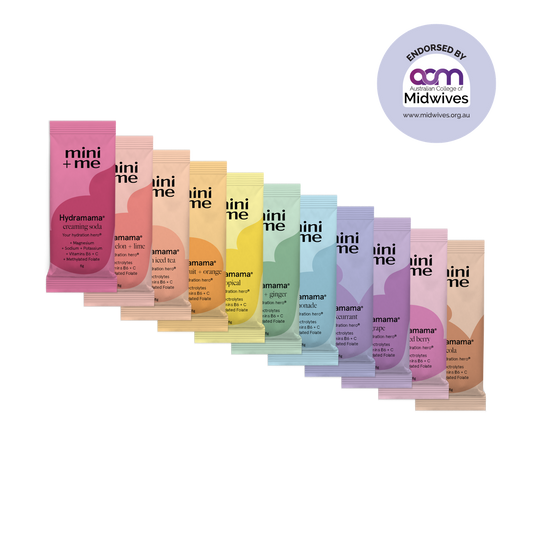
Staying hydrated is especially important during pregnancy, but drinking enough can be challenging when you're feeling nauseous. Try taking small, regular sips throughout the day rather than drinking large amounts at once.
3. Try to get plenty of rest
Fatigue can make nausea feel worse, so try to get plenty of rest whenever you can. Even taking short breaks throughout the day may help when you're not feeling your best.
4. Check your prenatal vitamins
Some pregnancy multivitamins can contribute to nausea, particularly those containing iron. If you're finding your prenatal vitamins difficult to tolerate, speak to your healthcare professional about other suitable options.
5. Try ginger and foods rich in Vitamin B6
Ginger may help ease pregnancy nausea, while Vitamin B6 can also play a role in managing symptoms. Foods such as bananas, leafy green vegetables and chicken are natural sources of Vitamin B6. Some women also find peppermint tea soothing.
6. Consider medication
If other strategies aren't providing enough relief, medication may be an option. Speak to your healthcare professional about what's suitable for you.
Still Not Feeling Well? What to Do Next
If your morning sickness is significantly affecting your daily life, or you're struggling to keep food or fluids down, it's important to seek medical advice. You don't have to wait until symptoms become severe to ask for help.
In some cases, severe pregnancy sickness may be a sign of Hyperemesis Gravidarum (HG), a condition that requires medical treatment.
For more information and support, visit Hyperemesis Australia or take their PUQE assessment, which can help assess the severity of your symptoms.