




If you live with Attention-Deficit/Hyperactivity Disorder (ADHD), you probably know the challenges of focus, impulse control, time management and staying consistent with everyday habits. What you might not always consider is how much your hydration status plays into how your brain feels and functions day to day.
Research shows that people with ADHD may be at higher risk of dehydration because of medication effects, time-blindness and difficulties maintaining daily routines. Dehydration itself can also affect mood, mental clarity and energy levels.
For ADHD-specific background and current Australian guidance, see the RACGP’s clinical update: Recognising attention deficit hyperactivity disorder across the lifespan.
1. The Brain-Water Connection
The human brain is around 75% water. Hydration helps keep your body’s systems, including those involved in focus and energy, functioning at their best.
Even mild dehydration can influence cognitive performance. Studies show that attention, working memory and reaction times may decline when hydration levels drop. (British Journal of Nutrition)
In one large study, lower hydration status was linked to greater cognitive decline over two years. (BMC Medicine)
Hydration supports healthy blood flow, nutrient transport and temperature regulation. When your body is under-hydrated, your brain has to work harder to maintain its usual rhythm, which can make it more difficult to focus and stay organised.
2. Why People with ADHD Might Be More Vulnerable
Hydration can easily fall off the radar for people with ADHD. Here’s why:
• Hyperfocus and time-blindness: Getting absorbed in a task can mean forgetting to drink for hours.
• Medication side effects: Some ADHD medications, particularly stimulants, can cause dry mouth or increase fluid loss.
• Reduced interoceptive awareness: Some people with ADHD don’t notice bodily cues like thirst as readily.
• Executive-function load: Planning, remembering and building routines are already challenging, so regular hydration can easily be skipped.
The RACGP emphasises that ADHD is best managed through a holistic approach that includes lifestyle, behavioural and medical support. While hydration isn’t a treatment, it’s one small self-care habit that can positively influence overall wellbeing. (RACGP ADHD position statement)
3. What Dehydration Can Do to You
When you’re not well hydrated, you might notice:
• Brain fog, slower reactions or difficulty concentrating (British Journal of Nutrition)
• Irritability or low mood
• Fatigue or sluggishness
• Headaches or reduced alertness
Dehydration doesn’t cause ADHD symptoms, but it can make focus and energy harder to manage. Staying hydrated helps your body and brain work together more smoothly.
4. Simple, ADHD-Friendly Hydration Strategies
Here are some realistic, ADHD-aware ideas to help you stay hydrated:
• Keep water visible: A colourful drink bottle on your desk or beside your bed helps cue the habit.
• Habit stack: Link drinking water to something you already do, like taking medication or checking your phone.
• Add flavour and variety: If plain water doesn’t appeal, try adding fruit slices, mint, or use a low-sugar electrolyte drink.
• Set reminders: Phone alarms or smartwatches can help if you tend to lose track of time.
• Eat water-rich foods: Melon, cucumber, soups and smoothies all contribute to daily fluid intake.
• Mind your environment: If you’re in a dry or air-conditioned space, or exercising more, you’ll need extra fluids.
Hydration isn’t about perfection - it’s about finding small, repeatable steps that make drinking water easier to remember.
5. The Big Picture
Hydration isn’t a cure for ADHD, and it won’t replace therapy, medication or other evidence-based supports. But it’s a small, foundational habit that can improve how you feel day to day.
Think of hydration as a form of body maintenance. When you’re well hydrated, your body can do its normal jobs more efficiently, which supports overall comfort, alertness and wellbeing.
6. What to Do Today
• Take a moment to notice how much water you’ve had today.
• Choose one simple strategy from the list above to try this week.
• Pay attention to how your focus, energy or mood feels when you stay consistent.
• If you have medical concerns or are taking medication, talk with your healthcare provider about your hydration needs.
Ready for an Easier Hydration Option?
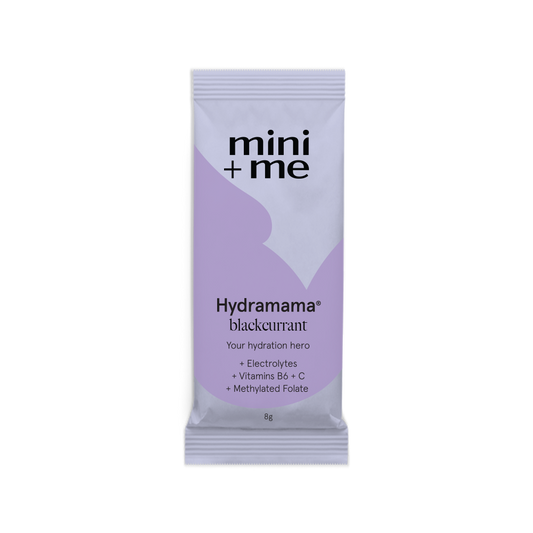
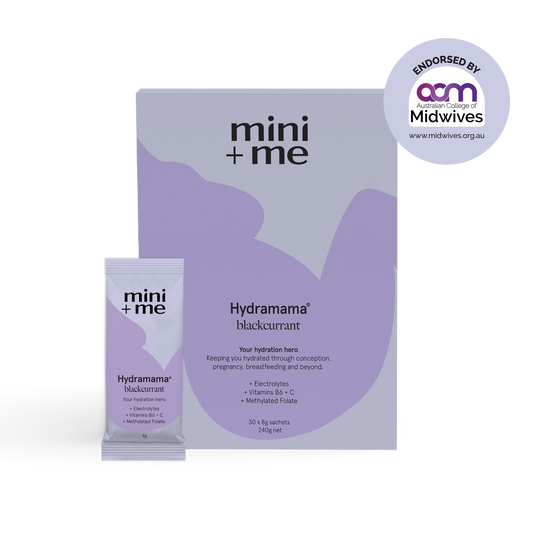
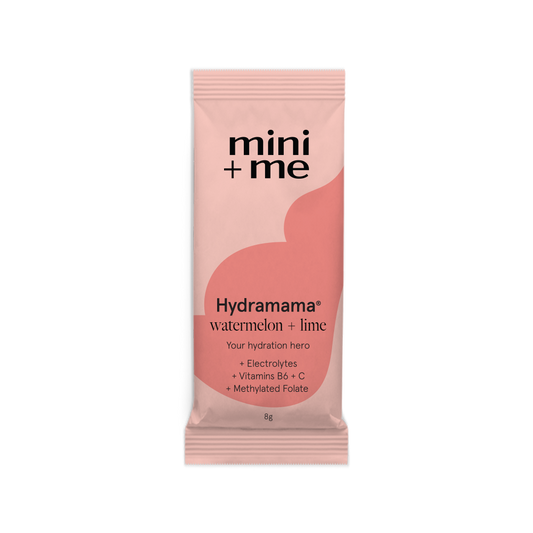
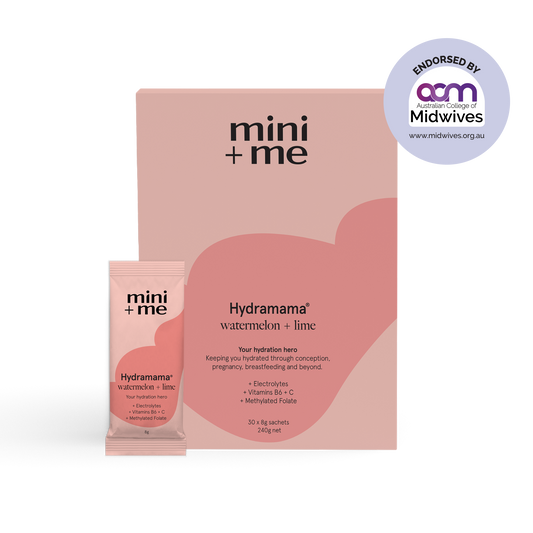
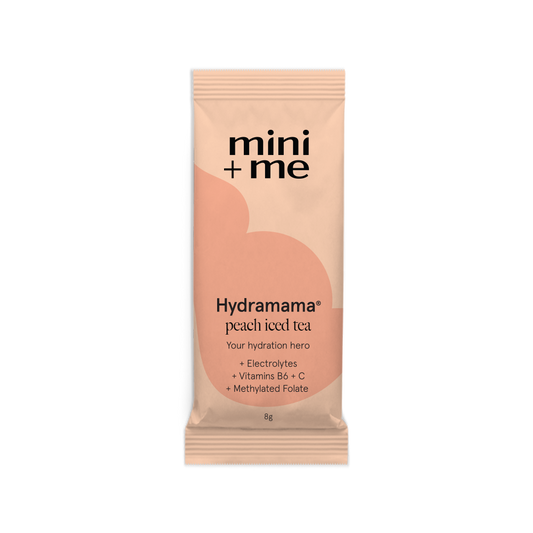
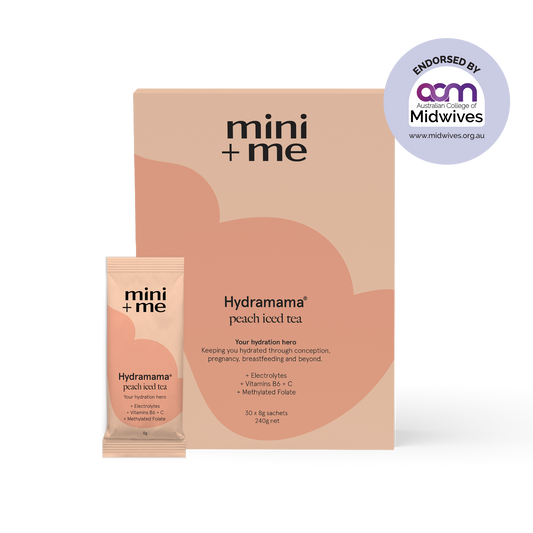
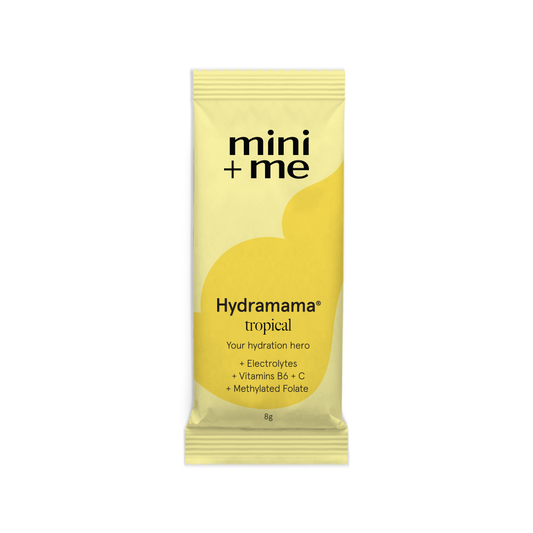
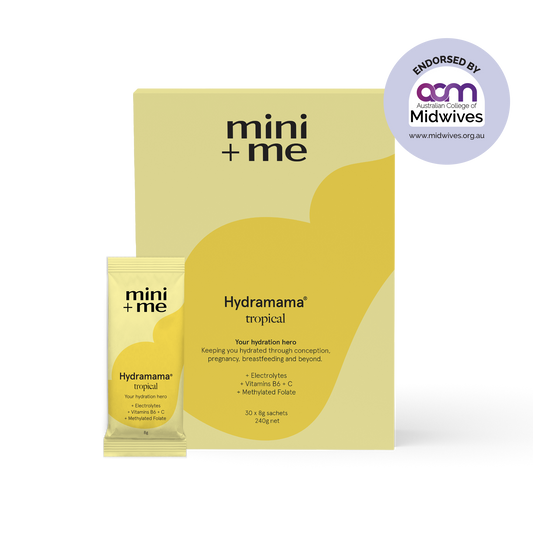
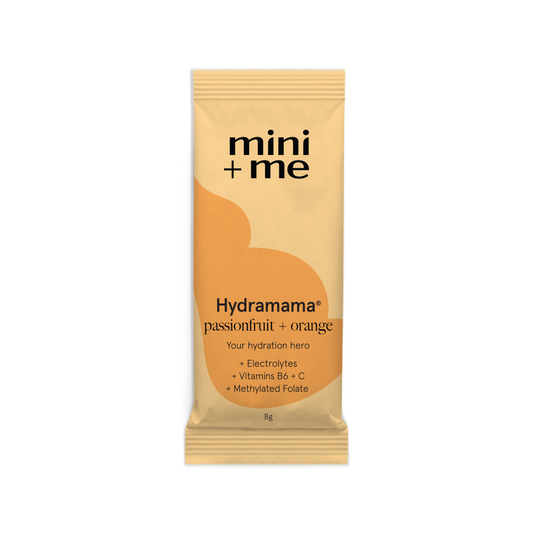
If you find plain water hard to keep up with, Hydramama offers a gentle, low-sugar way to support your daily fluid intake. Designed with electrolytes and natural flavour, it’s an easy way to make hydration more enjoyable.
(Hydramama supports general hydration and wellbeing. It is not a treatment for ADHD or any medical condition.)
Mentioned Products

Cart is Empty
Your Cart is Empty
- Choosing a selection results in a full page refresh.
- Opens in a new window.