




Hydration with Benefits
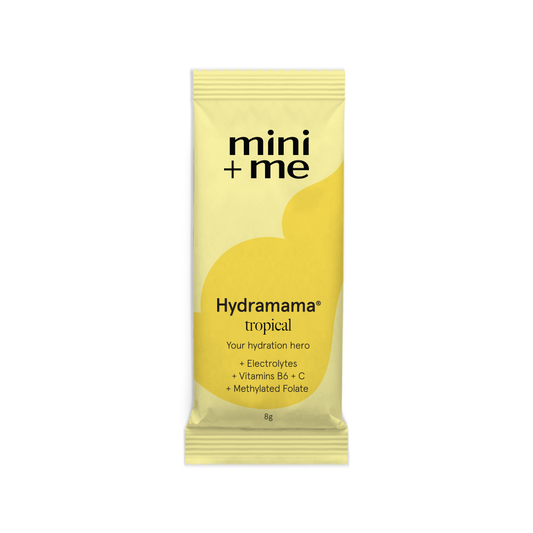
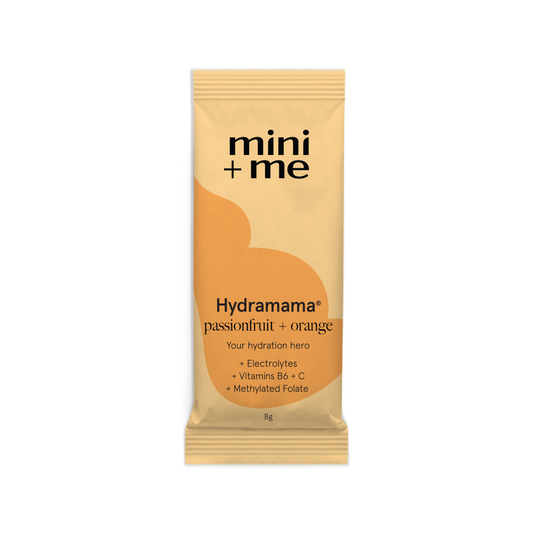
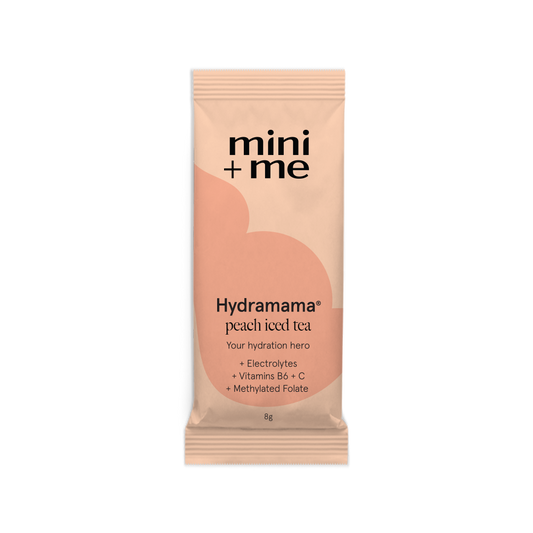
Hydramama was designed to be more than just hydration. It’s a daily support drink that combines electrolytes, functional vitamins, and a gentle, easy-to-sip formula that fits into real life. One of those key ingredients is vitamin B6 - a nutrient that’s often overlooked, but can have a powerful impact on how you feel.
Let’s explore what vitamin B6 is, why it’s included in Hydramama, and how this low, purposeful dose supports energy, mood and more - safely and effectively.
What Is Vitamin B6?
Vitamin B6 (also known as pyridoxine) is a water-soluble vitamin involved in over 100 enzyme reactions in the body. It supports:
• Energy metabolism – helping convert protein, fats and carbohydrates into energy
• Brain and nervous system function
• Neurotransmitter production – such as serotonin and dopamine
• Red blood cell formation
• Hormonal and immune regulation
Because the body doesn’t typically store much B6 for most people, it must be replenished daily through food or supplementation.
Low B6 levels have been associated with fatigue, low mood, irritability, weakened immune function and increased inflammation — particularly during periods of stress, disrupted sleep, or restrictive eating (Rybak & Ruzicka, 2023).
Why Hydramama Includes Vitamin B6
Each serve of Hydramama contains 0.4 mg of vitamin B6, which is:
• Around 24–31% of the Recommended Daily Intake (RDI) depending on age, sex and life stage, according the NRVs set by the National Health and Medical Research Council (NHMRC).
• A safe, evidence-informed dose for daily use (even multiple times per day)
• Balanced with magnesium, folate, electrolytes and other B vitamins for functional synergy
This amount was chosen intentionally — it’s high enough to be supportive, low enough to be gentle, and avoids the risk of excessive intake, even when used alongside prenatal vitamins or a multivitamin.
How Much Vitamin B6 Do We Need?
|
Group |
Recommended Daily Intake (RDI) |
Upper Limit (UL) |
|
Adult Men & Women |
1.3–1.7 mg/day |
50 mg/day |
|
Pregnant People |
1.9 mg/day |
50 mg/day |
|
Breastfeeding People |
2.0 mg/day |
50 mg/day |
(NHMRC)
Vitamin B6 Needs Magnesium and Folate to Work
B6 doesn’t work in isolation. To be converted into its active form (pyridoxal-5’-phosphate), your body requires:
• Magnesium – essential for activating B6 into its usable form
• Folate (vitamin B9) – supports metabolic pathways that rely on B6
• Other B vitamins – such as B2 (riboflavin), which assists with B6 activation
Hydramama contains magnesium and folate, which work alongside B6 to help your body actually use the nutrients effectively — not just ingest them.
This is part of why formulation matters.
Is Vitamin B6 Safe for Everyday Use?
Hydramama’s B6 content (0.4 mg per serve) is well below the Upper Limit of 50 mg/day, even if consumed more than once daily, and remains a safe, functional addition to your wellness routine.
The RDI was developed to prevent deficiency — it’s a minimum target, not necessarily the optimal intake. Intakes above the RDI are still safe and beneficial, as long as they stay within the established upper limit. An Upper Limit (UL) is a maximum level of intake of a nutrient.
While peripheral neuropathy has been associated with long-term, high-dose vitamin B6 supplementation (typically above 50 mg/day), this has only been reported in a very small percentage of the Australian population (TGA, 2025). Hydramama avoids this risk entirely by using a low, evidence-informed dose that works gently alongside your diet and other supplements.
How Vitamin B6 Supports Energy, Mood and More
Energy Production: Helps convert food into usable fuel, supporting sustained energy throughout the day.
Mood Regulation: B6 is involved in the production of serotonin and dopamine, which influence mood, sleep and emotional resilience.
Immune Function: Supports immune cell function and inflammation regulation, especially helpful in times of stress or recovery.
Hormonal Balance: B6 helps buffer hormonal shifts — from premenstrual changes to pregnancy and postpartum fatigue.
Why B6 Works Best in a Balanced Formula
Hydramama combines vitamin B6 with:
• Magnesium and folate to support B6 activation
• Electrolytes (sodium, potassium, magnesium) for hydration and fluid balance
• Vitamin C and other B-group vitamins for immune and energy support
• A low-sugar, gut-friendly formula that can be sipped throughout the day
This thoughtful combination helps your body not only absorb nutrients but actually use them, so you feel clearer, calmer, and more supported.
Ingredient Snapshot: Vitamin B6 in Hydramama
|
Feature |
Detail |
|
Name |
Pyridoxine (Vitamin B6) |
|
Amount per serve |
0.4 mg |
|
% of RDI (Adult Women) |
~24% |
|
% of RDI (Adult Men) |
~31% |
|
% of RDI (Pregnancy) |
~21% |
|
% of RDI (Breastfeeding) |
~20% |
|
Upper Limit (UL) |
50 mg/day (for all adults incl. pregnancy/lactation) |
|
Cofactors Required |
Magnesium, folate, B2 |
|
Supports |
Energy, mood, brain, immune regulation |
|
Suitable For |
Adults, including pregnancy & breastfeeding |
Hydramama: Hydration That Supports More Than Thirst
Whether you’re starting your day, chasing little ones, recovering from illness or just needing a lift, the inclusion of vitamin B6 in Hydramama brings targeted support for energy, mood and balance — with the cofactors your body needs to use it well.
It’s not just about staying hydrated. It’s about helping your body feel good every day.
Explore the full Hydramama range
References
National Health and Medical Research Council (NHMRC). (2006). Nutrient Reference Values for Australia and New Zealand. https://www.nrv.gov.au/nutrients/vitamin-b6
Rybak, M., & Ruzicka, M. (2023). Vitamin B6 status in health and disease: A review of biomarkers and clinical relevance. Nutrients, 15(13), 2823. https://doi.org/10.3390/nu15132823
NIH Office of Dietary Supplements. (2023). Vitamin B6 Fact Sheet for Health Professionals. https://ods.od.nih.gov/factsheets/VitaminB6-HealthProfessional/
Therapeutic Goods Administration (TGA). (2025). Peripheral neuropathy and supplementary vitamin B6. https://www.tga.gov.au/news/safety-updates/peripheral-neuropathy-supplementary-vitamin-b6-pyridoxine
Spinneker, A. et al. (2007). Vitamin B6 status, deficiency and its consequences — an overview. Nutrition Research Reviews, 20(1), 19–38. doi:10.1017/S0954422407745002
Cart is Empty
Your Cart is Empty




- Choosing a selection results in a full page refresh.
- Opens in a new window.