




You're sore, swollen, possibly shivery, and you just want safe relief that doesn't sabotage your breastfeeding. Good news: the science has moved, and it's moved in your favour. The current best-practice approach treats most breast inflammation gently — less prodding, less pumping, less heat. More rest, more cool, more just-enough.
The shift: it's a spectrum, not "just mastitis"
In 2022, the Academy of Breastfeeding Medicine updated Protocol #36 and reframed engorgement, "blocked ducts," inflammatory mastitis, subacute mastitis, bacterial mastitis and abscess as points along a single mastitis spectrum — driven mostly by ductal narrowing and tissue swelling (oedema). Infection can be part of the picture, but not every hot, lumpy breast is infected. That reframe matters: it pushes us away from over-treating with antibiotics and over-manipulating already-stressed tissue. Australian resources are aligning with this view.
Why it happens, in plain English
-
Milk flow bottlenecks. Swelling narrows ducts, milk doesn't move freely. Frequent "empty the breast" pumping, very strong suction, or oversupply can worsen the congestion.
-
Tissue stress. Aggressive massage and vibrating devices can injure tissue and increase inflammation — and the risk of abscess.
-
Skin and nipple issues. A shallow latch or nipple trauma can let bacteria in and adds to the inflammation picture.
Conservative care is the starting point
Most people will improve with calm, cool, gentle care over 24–48 hours, unless they're clearly very unwell. The current consensus on what to do:
-
Keep milk moving — comfortably. Feed responsively, or hand express / pump just enough for comfort. Skip the power-pumping.
-
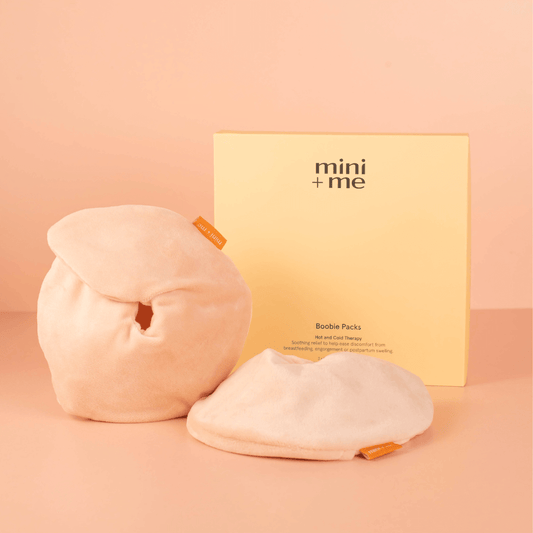
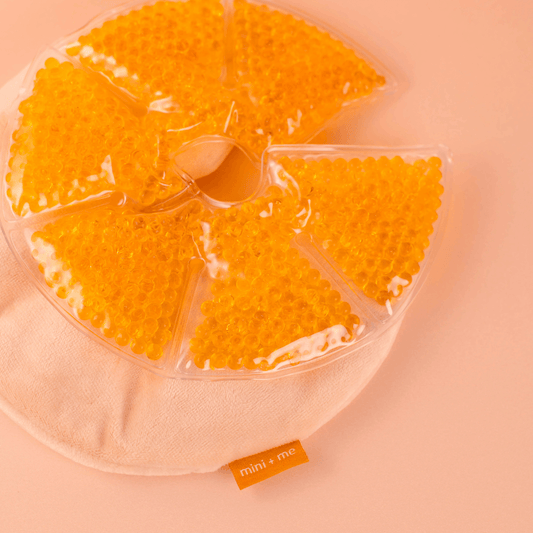
Cool over heat. Cold packs, cool compresses, even a wrapped bag of frozen peas between feeds can help with swelling. Brief warmth only if it genuinely helps your let-down.
-
Gentle lymphatic drainage. Feather-light strokes from areola toward armpit or collarbone. No deep kneading, no rolling pins, no electric massagers.
-
Pain relief. Simple analgesia and anti-inflammatories (such as paracetamol or ibuprofen) are generally considered compatible with breastfeeding for most people — your pharmacist or GP can confirm what's right for you.
-
Support the basics. Rest, hydration, a soft bra (supportive, not compressive), and frequent comfortable feeds with a good latch.
When antibiotics enter the picture
Antibiotics are appropriate when bacterial mastitis is likely — typically a persistent fever, feeling really unwell, or no improvement after a couple of days of conservative care. Australian Therapeutic Guidelines first-line options are usually flucloxacillin, dicloxacillin or cephalexin, prescribed by your GP. Milk culture and ultrasound may be used if symptoms persist or an abscess is suspected. Your GP is the right person to make that call — quickly — if you're trending in the wrong direction.
"Blocked ducts": what the evidence says now
That firm, tender lump is usually local swelling and a narrowed duct, not a literal plug.
-
Don't try to bust it with firm or deep massage, repeated heat, or vibrating tools.
-
Do use cool, gentle strokes, comfortable milk removal, and anti-inflammatories where appropriate.
Subacute or recurrent "gritty" pain
Some people describe sandpapery or radiating pain without a fever. This may be subacute mastitis, thought to involve a shift in the breast microbiome. Management mostly mirrors conservative care, with targeted help from your GP or IBCLC if it's not settling.
A word on probiotics
There's emerging research on specific probiotic strains for mastitis prevention in some populations — most notably Ligilactobacillus salivarius PS2. The findings are interesting and the trials are real, but the evidence is strain-specific, the studies have been industry-funded, and the broader picture isn't settled. Whether a probiotic is right for you — including which strain, when to take it, and whether it's worth it at all — is a conversation worth having with your GP, pharmacist or IBCLC who can factor in your individual context. I'm not in a position to recommend a product or a dose.
What to skip
-
Deep massage and vibrating devices — they risk injuring already-inflamed tissue.
-
Pumping to "empty" — often makes swelling and oversupply worse.
-
Prolonged heat — cold is generally more useful for swelling.
When to get help
Reach out to your GP, midwife, IBCLC or urgent care if:
-
you have a high fever or feel really unwell
-
you're not improving after 24–48 hours of conservative care
-
you can feel a fluctuant lump (possible abscess)
-
nipple trauma isn't healing, or your baby is refusing the breast because of pain
Practical things that often help
-
Before feeds: gentle lymphatic strokes, then latch.
-
During feeds: keep baby close, with their chin pointed toward the firmer area. No pressing on tender tissue.
-
After feeds: cool, rest, hydration, simple analgesia if appropriate for you.
-
Check the fit of your bra and your pump flange. Supportive shouldn't mean compressive, and pumps shouldn't be set to "ouch."
Where Australian practice is heading
The direction of travel is less routine antibiotic use, more breastfeeding support, and better access to ultrasound and culture when they're actually needed. The ABM spectrum approach is increasingly informing Australian GP guidance.
Quick FAQ
Can I keep breastfeeding? Yes — your milk is safe. Express to comfort if direct feeding is too painful. Should I try lecithin? Some parents do; the evidence is limited. Do probiotics help? Maybe, for some people, with specific strains — worth a chat with your GP or IBCLC rather than a pharmacy guess.
Gentle, evidence-based care — without the guilt
If you've been told to heat, massage, pump to empty, repeat, you're not alone. That advice was widespread until pretty recently, and a lot of it has now been overturned. The latest science gives you permission to do less, not more: cool, rest, light touch, just-enough milk removal, antibiotics only when signs point to infection, and skilled human support when things aren't settling.
If you need someone in your corner
Find your nearest International Board Certified Lactation Consultant via LCANZ. Your GP, midwife, child health nurse, and the Australian Breastfeeding Association helpline (1800 686 268) are also great places to start.
Disclaimer: The Mini + Me Journal provides general information only and is not a substitute for personalised advice from your GP, midwife or other qualified health professional. Our products are not intended to diagnose, treat, cure or prevent any disease. Always read the label and use only as directed. Read full disclaimer →
Mentioned Products


Cart is Empty
Your Cart is Empty

- Choosing a selection results in a full page refresh.
- Opens in a new window.